Japan travel · 5 min
Things to Do in Japan: Where to Start
Where to start with things to do in Japan: choose a region, skip a national checklist, and use official JNTO and government travel-advice pages first.
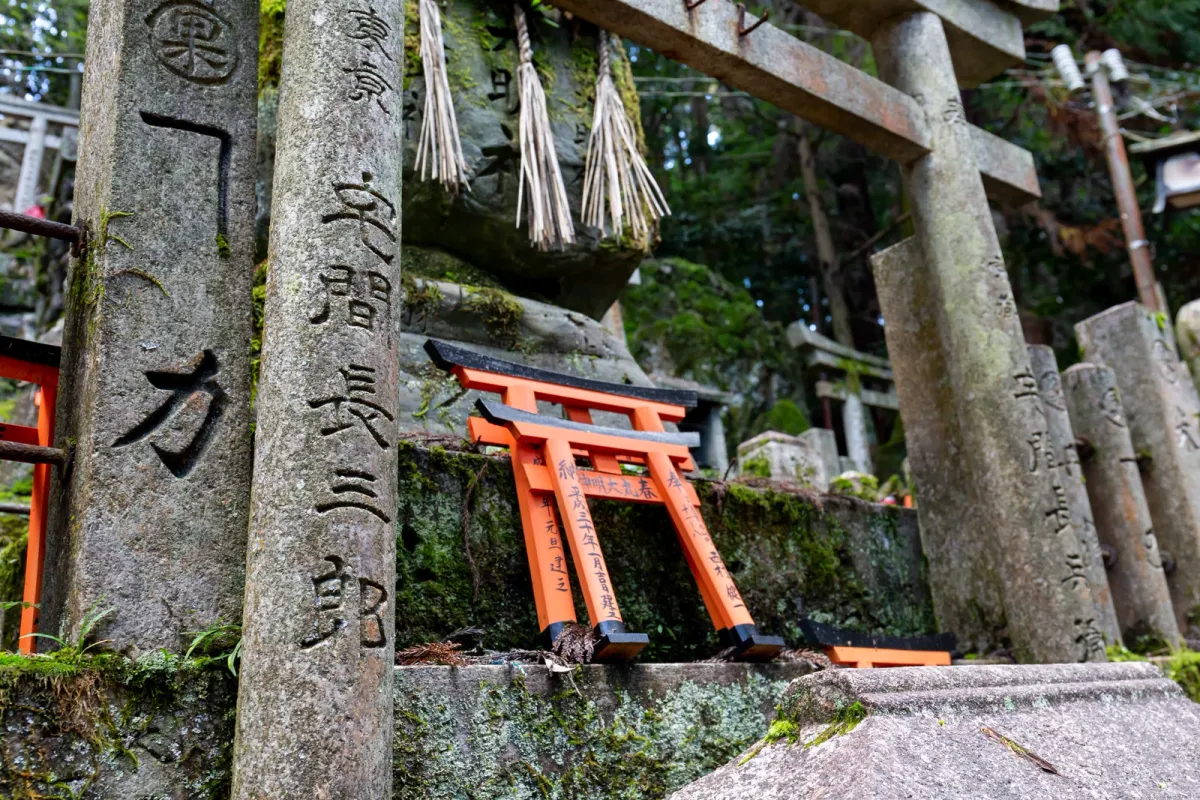
Things to do in Japan start with a region, not a national checklist
Things to do in Japan are often presented as a single list: Kyoto, Tokyo, maybe a bullet train, then a hope of squeezing in Sapporo or Okinawa "if there is time." That list is a myth of geography. Japan is long. Okinawa is not a side trip from Kyoto in the way a neighborhood is a side trip in a city. Sapporo in winter is not Kyoto in spring. The kind way to start is to choose one region and a few day-shapes, then use official pages for trains, sites, and seasons.
This is a where-to-start guide, not a ranking of "best things to do in Japan" or "top things to do in Japan," and not a set of invented rail-pass rules. Rail passes and reservation systems change. Check official operator pages when you are ready to buy. For a national tourism overview, use the official Japan National Tourism Organization site, japan.travel. For entry, safety, and travel advisories, U.S. travelers should use travel.state.gov; UK travelers should use FCDO foreign travel advice. Re-check those pages before you go.
Choose a region, then choose two or three kinds of day
| If you want | A realistic region to start in | A day-shape that usually works | What not to add automatically |
|---|---|---|---|
| Big-city neighborhoods, food, museums | Tokyo or another large city, not "all of Japan" | One district in the morning, one in the afternoon, a rest | A same-day hop to a distant iconic city "because the train is fast" |
| Temples, older streets, a slower city pace | Kyoto or another historic city, with official site hours checked | One area, walked, plus a rest | Every famous temple on a single ticketed sprint |
| North, snow, or a different climate | Hokkaido, with Sapporo as a possible base | One main outing and weather honesty | Treating Sapporo as a midweek add-on to a Kyoto trip |
| Islands, distinct climate, beaches or different food | Okinawa, as its own trip or a clearly planned extra | One area, official season and weather checked | Assuming Okinawa has the same packing list and the same season as Kyoto |
| Countryside and onsen towns | A region you are willing to move more slowly through | One base, day trips, official transport times | Three overnight moves in three nights |
Fun things to do in Japan include ordinary ones: a park, a neighborhood walk, a bath if the onsen rules suit your group, a train ride you already meant to take. They do not all need a famous name.
A starting checklist
- Official travel advice for Japan is current, and you accept it
- Entry rules, including any official authorization, are understood in time
- One region is chosen for this trip, with a second only if time is genuinely generous
- Official hours for any specific temple, museum, or park are confirmed
- Transport between bases is looked up on official operator pages, including reservation needs
- Walking and queueing time is in the plan, not only train time
- A rest is scheduled on most days
- Cash, cards, and IC-card questions are checked against current official or operator information, not a five-year-old blog
- Weather and season for that region are checked, especially if you hoped to add Okinawa or Hokkaido
If you have six days, see one region well. If you have more, still resist the urge to "collect" a north-and-south list.
Myths about "must-do" Japan
Myth one: the fastest train makes distant cities close in a family or first-visit day. Fast trains are impressive. They do not move stations to the sights, and they do not remove walking and queues.
Myth two: Kyoto can be "done" in a morning. Kyoto can be visited in a morning. That is a different sentence.
Myth three: things to do in Kyoto, Sapporo, and Okinawa belong on one first itinerary because they all appeared in a search box. They belong on one itinerary only if you have designed the travel days honestly.
Myth four: official tourism pages are just marketing. JNTO and local official site pages are also where hours, seasonal events, and practical notices often sit. Use them.
A kind first itinerary shape
Land, sleep, and walk a small radius. Use the next days for one main outing each. Put a museum or a covered area on a rain day. If you want a second city, move once, not every night. Buy reserved seats when official pages say you should, especially in busy seasons, and do not invent a pass product from memory.
For things to do in Kyoto, start with one district. For Sapporo, start with the season you actually have. For Okinawa, start with official weather and a packing list that is not Kyoto's. Top things to do in Japan, for a first visit, are often the days that were not rushed.
Everyday practicalities that shape the days
Carry a little more patience than pride at stations. Official signage is often good, and it is still a lot of information when you are tired. Build extra time around reserved trains, and do not plan a sacred site visit to start at the exact minute a long-distance train arrives. Eat before you are already in a long queue. If someone in the group needs quieter spaces, official museum pages and large parks are often kinder than a famous crossing at its busiest hour.
Tattoos, bathing rules, temple photography, and cash versus cards are all matters of a specific place's current notice, not of a single national rumor. Read the official or on-site rule in front of you. A family that asks politely and follows the posted sign will have a smoother day than a family that arrived with a rule remembered from a film.
Questions about things to do in Japan
What are the best things to do in Japan on a first visit?
There is no official best list. Choose a region, walk a neighborhood, visit one or two sites whose official pages you have read, and leave time to eat and rest. That already is a trip.
Can we see Kyoto and Tokyo in one week?
Many people do, with a single move between them and shorter daily plans. Whether you should depends on your energy, not on the existence of a fast train. Do not add a third distant region in the same week without looking at the travel days.
How do I include Okinawa or Sapporo?
Treat them as their own climate and, usually, their own trip, or as a clearly budgeted extra with official flight or long-distance times in front of you. They are not "nearby."
Where should I check official information?
JNTO at japan.travel, official site pages, official rail operators, and your government's travel-advice page. Those beat a ranked list with last year's hours and last year's pass rules.